Composed of amorphous thermoplastic polyetherimide (Polyetherimide, abbreviated as PEI) material, the resin is transparent amber in color and has excellent high-temperature heat resistance, high rigidity and strength, as well as excellent chemical resistance.
PEI
PEI is composed of amorphous thermoplastic polyetherimide (Polyetherimide, abbreviated as PEI) material. The resin is transparent amber in color and has excellent high-temperature heat resistance, high rigidity and strength, as well as excellent chemical resistance.

Preparation Method and Molecular Structure

Polyetherimide is prepared by the thermal polycondensation, powder formation, and imidization of 4,4′-diaminodiphenyl ether or m- (or p-) phenylenediamine with 2,2′-bis[4-(3,4-dicarboxyphenoxy)phenyl]propane dianhydride in dimethylacetamide solvent.
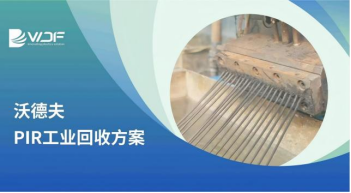
To improve the performance of PEI, it can also be further processed through continuous extrusion processes using extruders (such as blending with other polymers or fillers).
材料特性


Comparison of Dimensional Stability of PEI Materials Image Source: Sabic
Development History
1972: GE in the United States began research and development of PEI.
1982: GE built a 5,000-ton production facility and officially launched PEI under the trade name ULTEM in the market.
2007: SABIC acquired GE’s plastics division for USD 11 billion.
2018: SABIC built a new PEI production line in Singapore, increasing production capacity by 50%.
2022: The global polyetherimide (PEI) market sales reached RMB 2.6 billion and is expected to reach RMB 3.4 billion by 2029, with a compound annual growth rate of 4.3%. In 2022, the apparent demand for PEI plastics in China was USD 190 million, with a volume of 7,000 tons, an increase of 7.14% compared with 2022.
Application Fields
5G Communication Industry
Filters, optical communication lenses, phase shifters and peripheral components, optical fiber connectors, etc.

Common Grades: ULTEM 1000(R), 2110, 3452
Electronic Products
AR glasses, drones, etc. Due to its lightweight characteristics and excellent strength, it meets the requirements for miniaturization and lightweight design.

Common Grade: ULTEM 1000
Aerospace
Table support arms, aircraft cabin interiors, internal coverings and various structural components, seats, kitchen supplies, and oven components, etc. Meeting lightweight requirements and improving fuel efficiency.

Common Grades: ULTEM 9075, 9085, 1000F, 2300F
New Energy Vehicles
Radiators, DC-DC hybrid power converters, onboard chargers, fog lamps

Common Grades: ULTEM 2300, 3473
Medical Equipment
Dental instruments, ventilators, anesthesia machines, sterilization trays, surgical guides, pipettes, laboratory animal cages, etc.

Common Grades: ULTEM HU1000, 1004
With the development of technology and changes in market demand, the application fields of PEI materials are continuously expanding. With the increasing demand for renewable energy, the application of PEI materials in the new energy field will increase. Meanwhile, renewable bio-based PEI resins with ISCC+ certification will gradually replace traditional PEI materials, promoting the industry toward a more environmentally friendly and sustainable direction.
▶WDF has launched the I900 series, modified PEI materials, and PEI high-temperature coloring solutions. Welcome to consult and communicate with us!